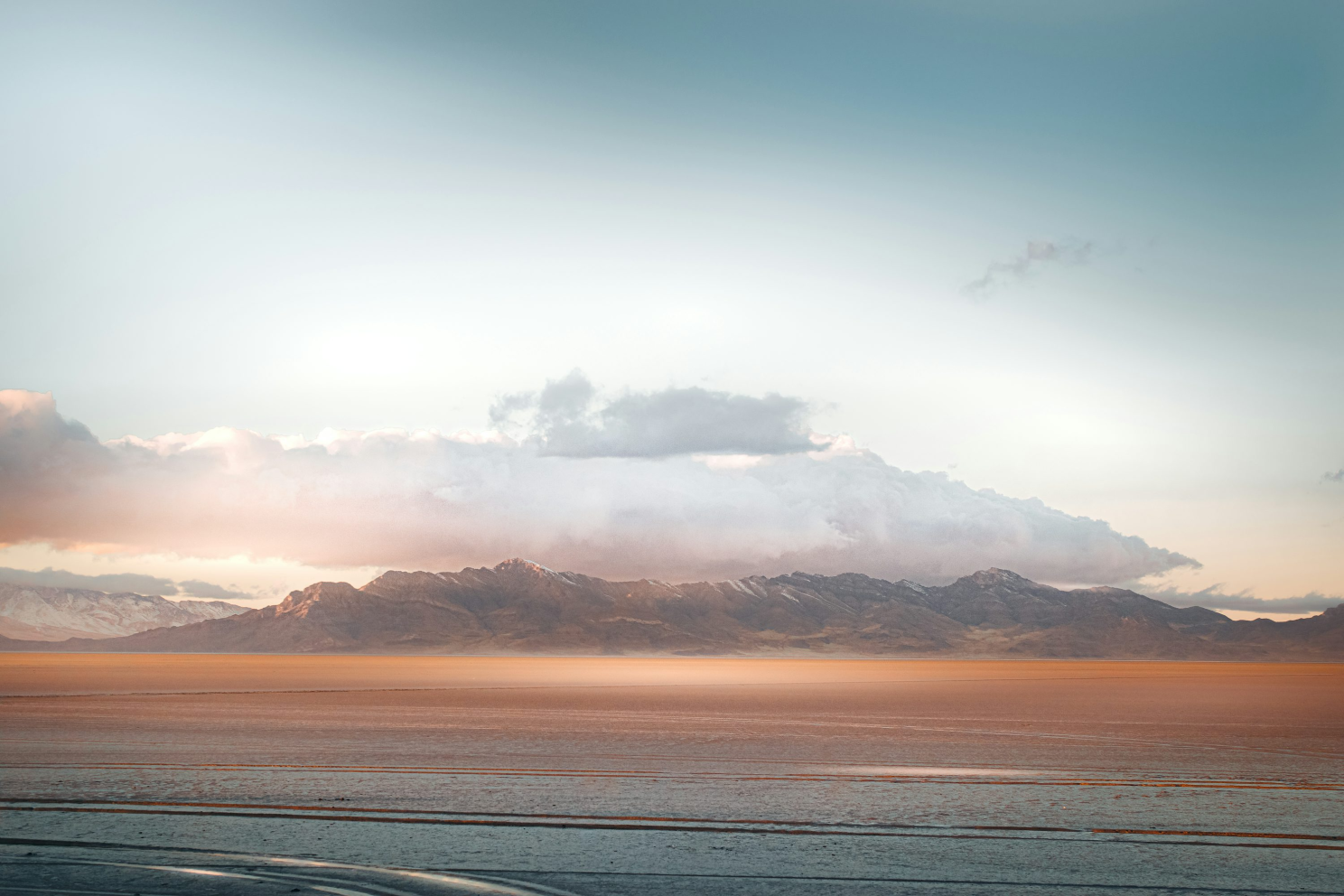
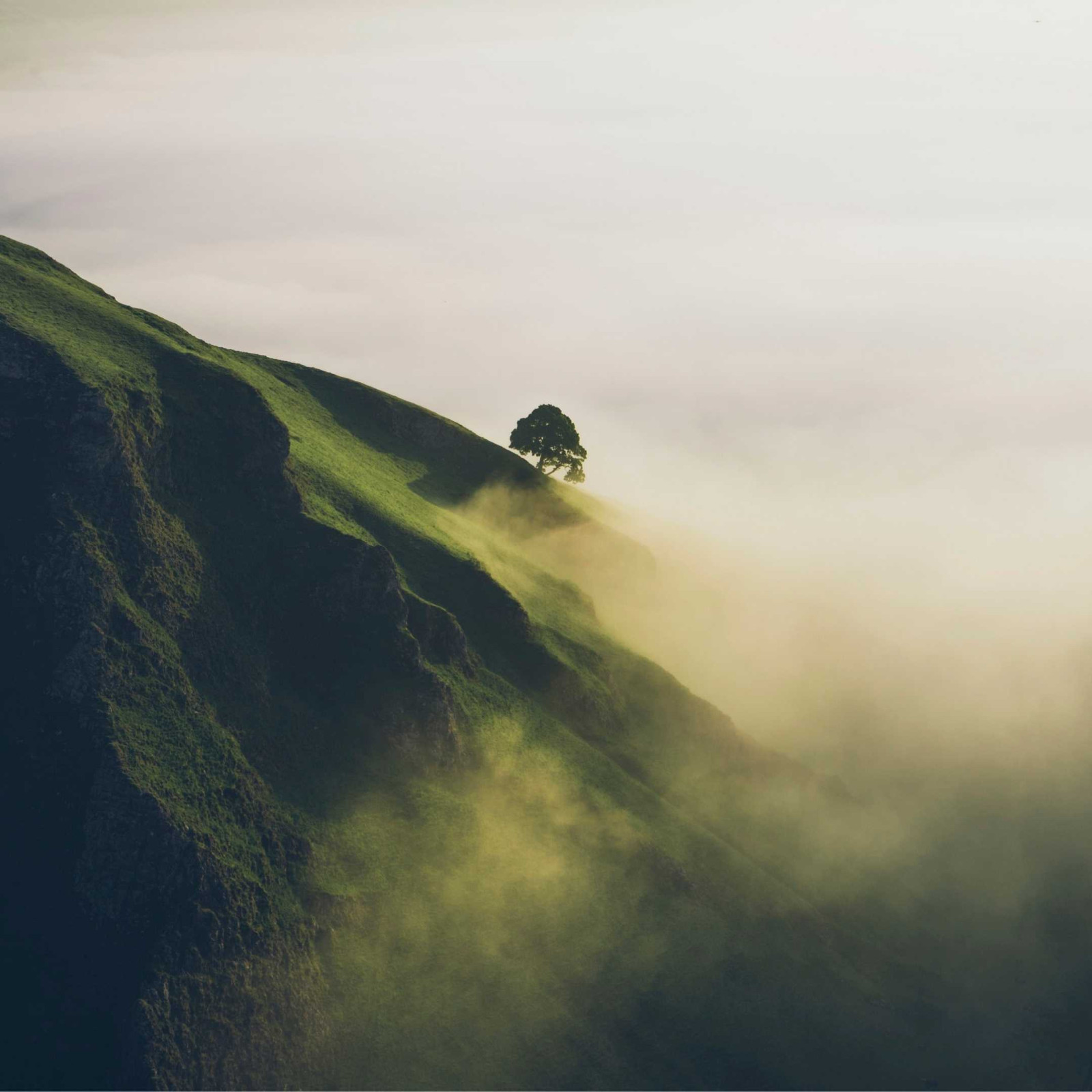
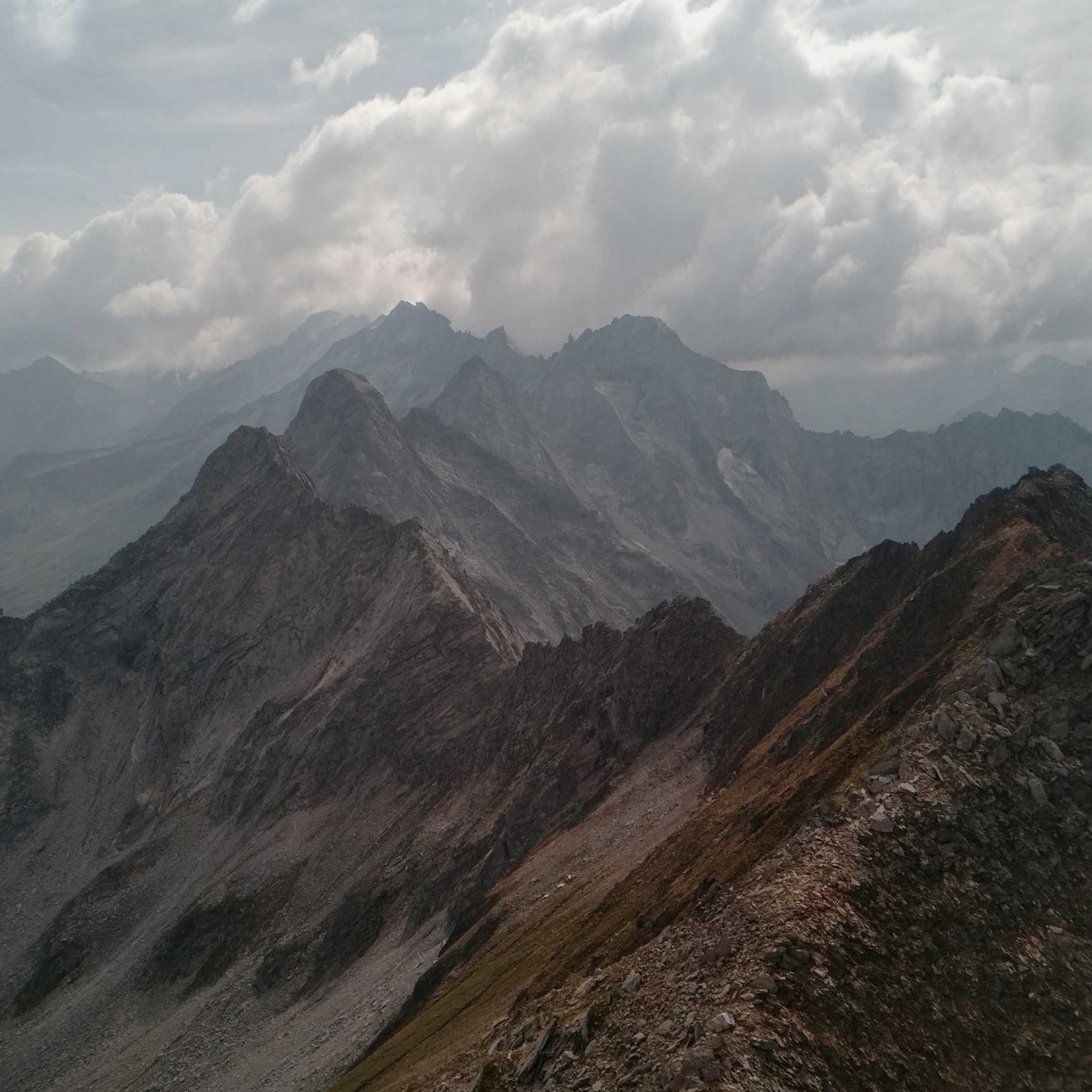
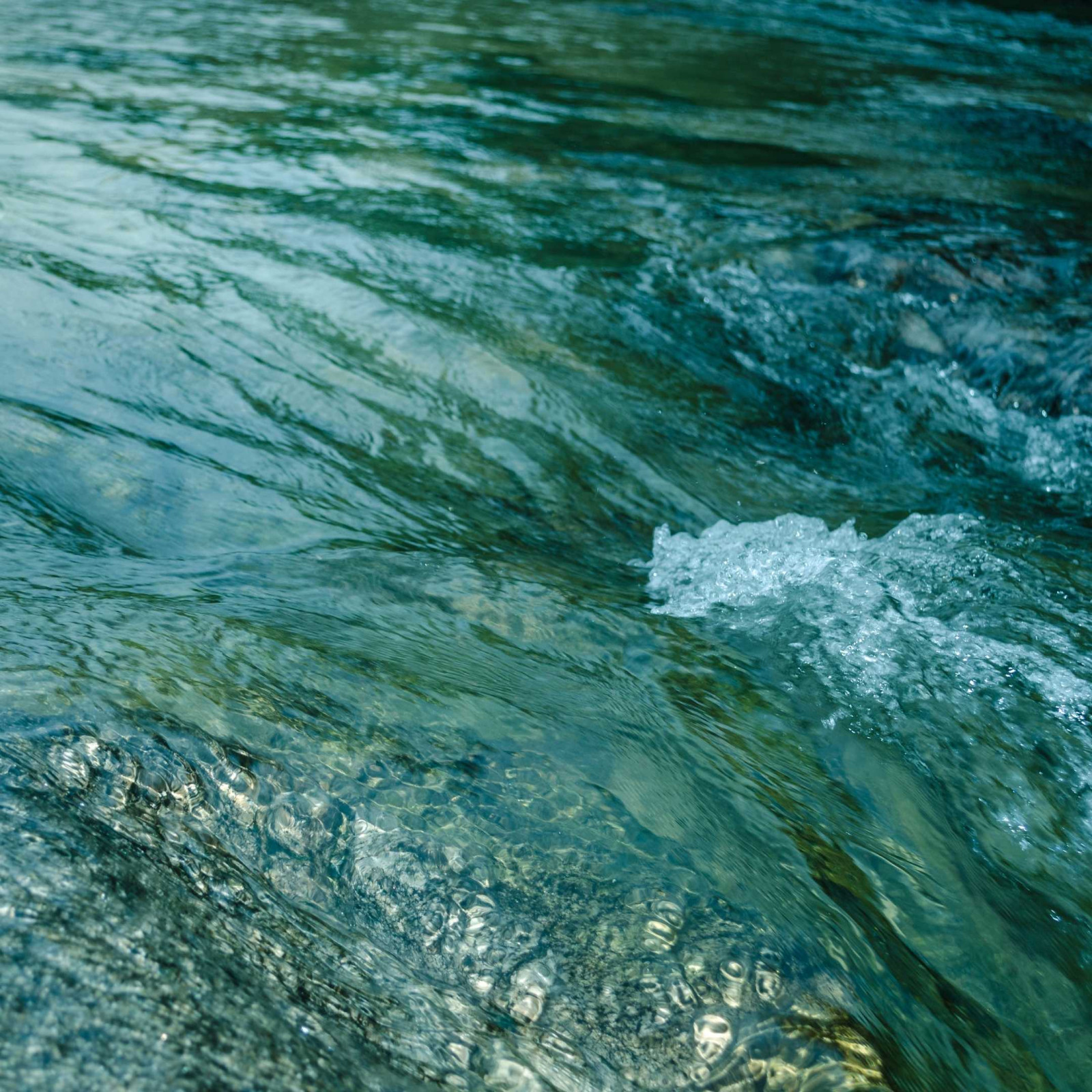
Most people pick where to put a cabin by looking for the prettiest view and the flattest ground. The better question is where the sun actually falls in the evening, which way the water moves after rain, and what the land is already telling you it wants to do — because those three things, not the floor plan, are what determine whether a cabin feels right once it's built. That's the short version. Here's the process behind it.
I spent 20 years reading sites as a landscape architect before I ever designed a cabin. By the time a client sees a floor plan from us, that reading has already happened — and it usually changes more about the final design than any finish or layout choice does. Most cabin buyers never see this step. They see a render, they see square footage, and they assume the site is just where the building gets dropped. It isn't. It's the first design decision, and it's the one that's hardest to undo later.
A beautiful floor plan facing the wrong direction is still a cabin you'll use less than you meant to. The same 250 square feet can feel expansive or claustrophobic, warm or cold, depending entirely on where the openings face and when the light reaches them. This is the part of design that a catalog or a spec sheet can't show you, because it's specific to the actual piece of ground — not to the model.
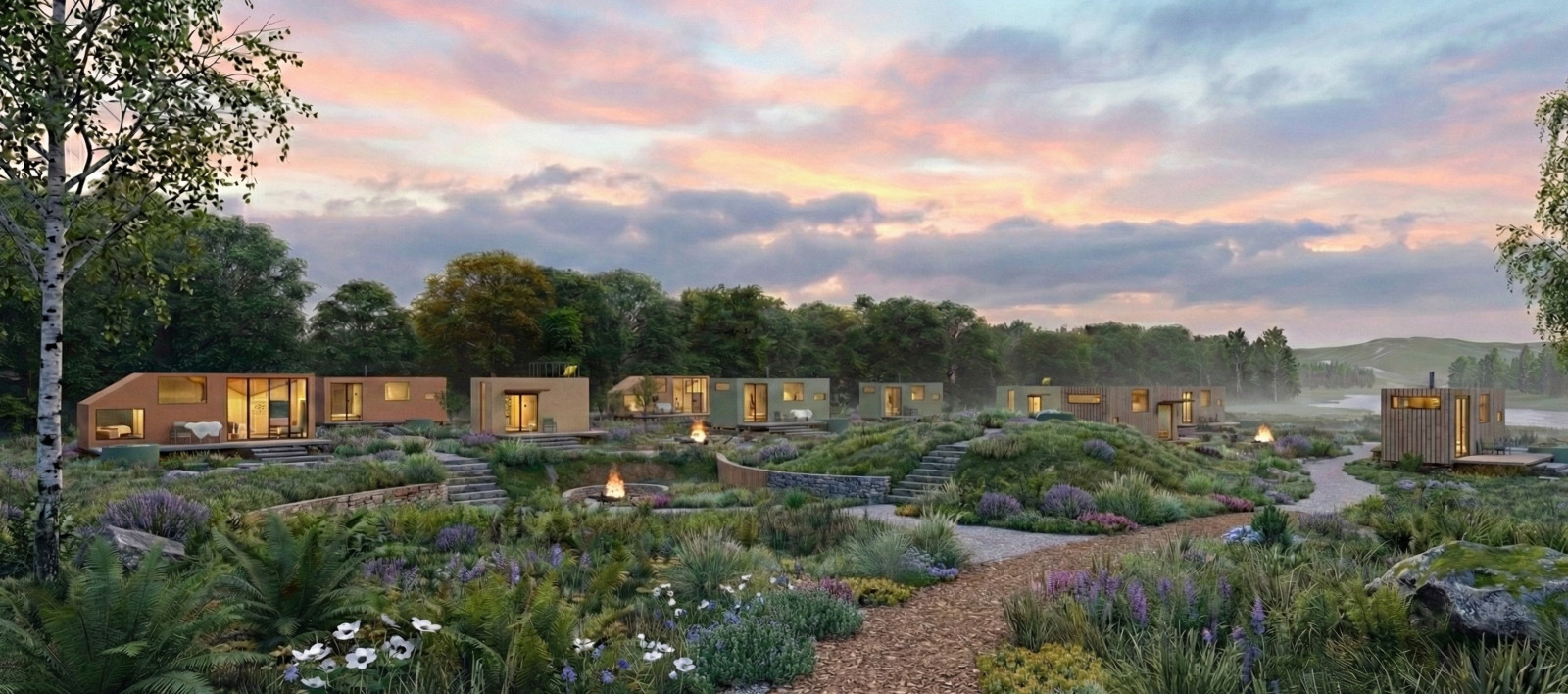
Where the sun falls, and when. Not just "does it get sun" — at what hour, in which season. A west-facing opening that's glorious in October light can be unusable heat in July. We're looking for where you'll actually want to be sitting at the hour you're actually likely to be there — morning coffee light is a different design problem than evening wind-down light.
Which way the water moves. After rain, water doesn't fall where you'd guess from standing on dry ground — it follows the land's actual grade, often in a direction that isn't obvious until you've watched it happen or read the topography carefully. Siting a structure in that path, even slightly, causes problems that show up years later, not on day one.
What's already growing, and why. Existing vegetation is a record of conditions — what the soil holds, where wind is worst, where frost settles longest. A site that's already grown a windbreak of trees on one side is telling you something about where you don't want a large glazed opening.
Where the wind actually comes from. Prevailing wind direction, not the direction that feels windy on a single visit. This shapes everything from entry placement to which facade can handle the most glass without becoming a heat-loss problem.
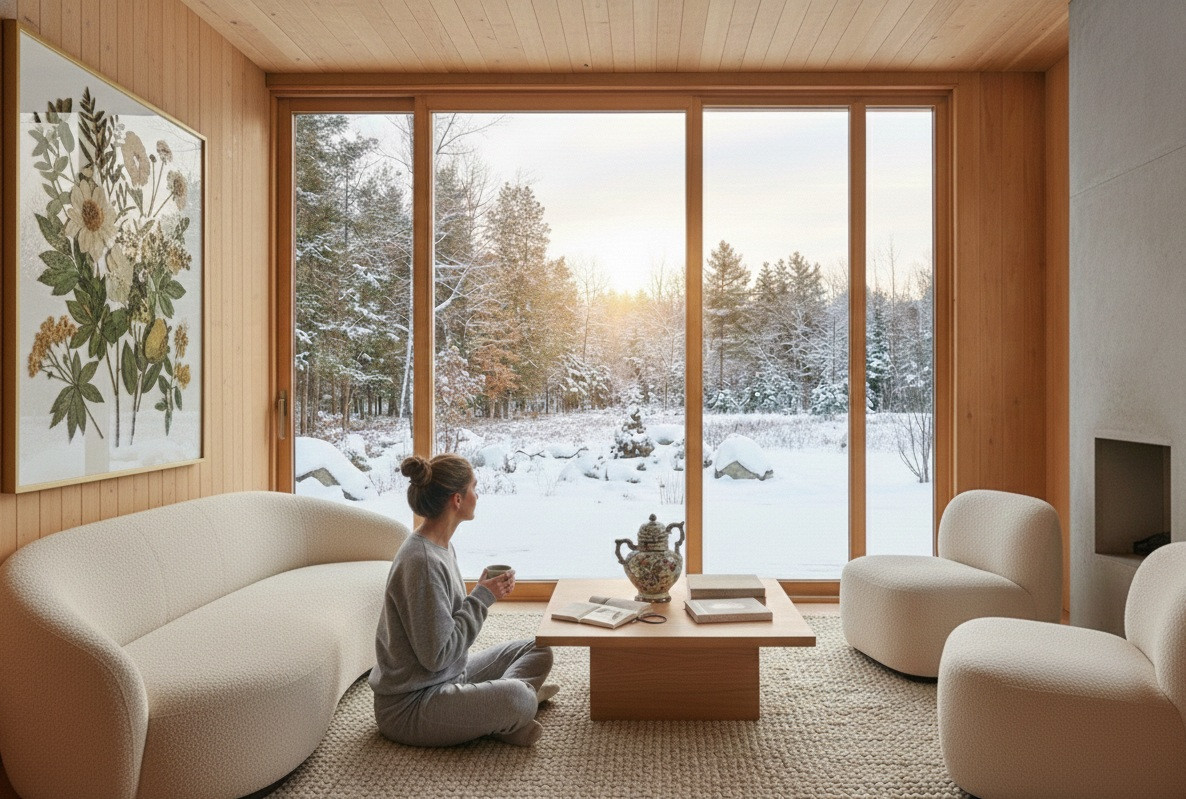
Where the eye wants to land. Once the above is understood, there's usually one direction on a site that's actually worth building toward — and it's not always the direction with the most conventionally "nice" view. Sometimes it's a modest, close-in view that reads as calm every single day, over a dramatic long view you'll appreciate for the first week and stop noticing after.
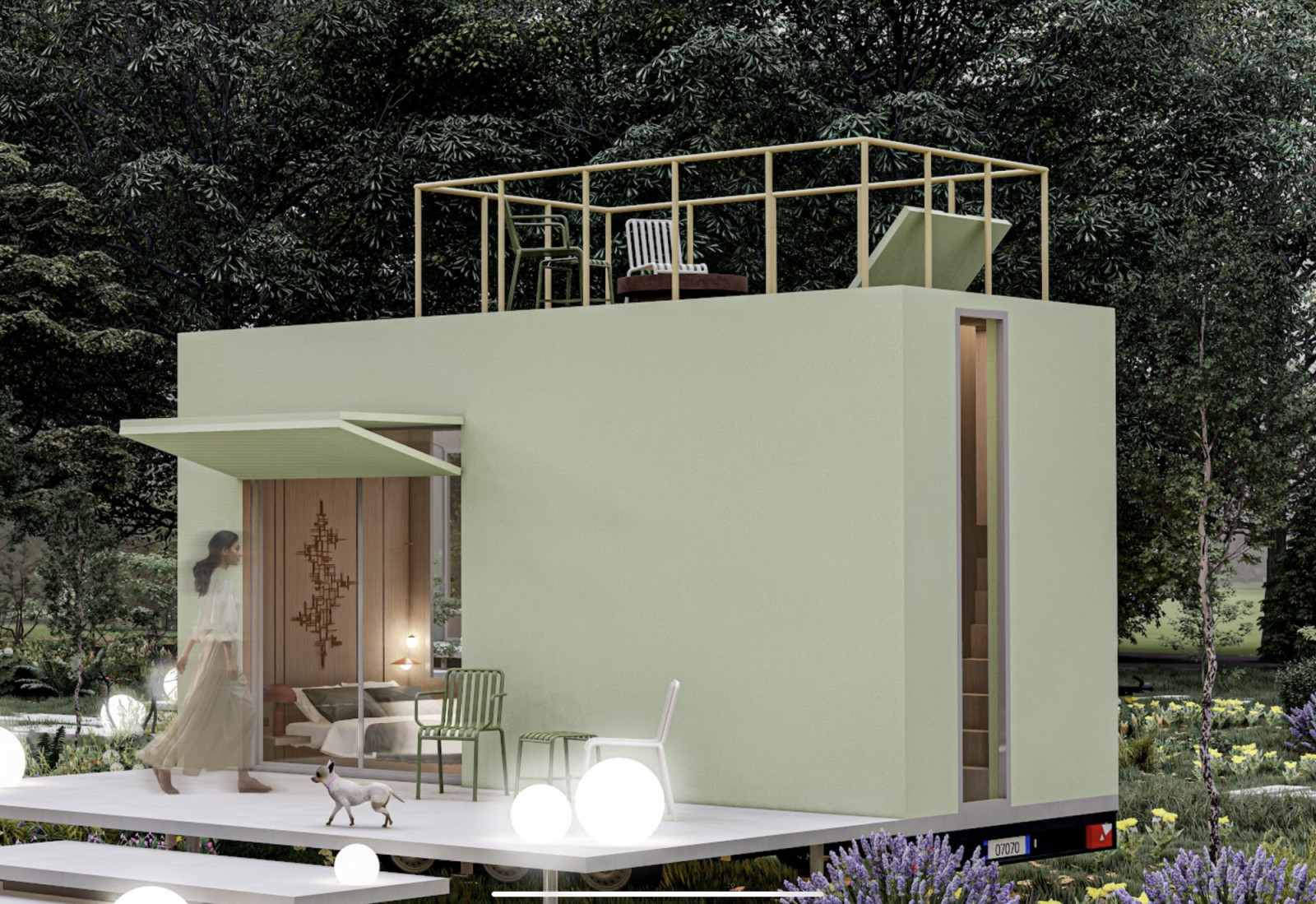
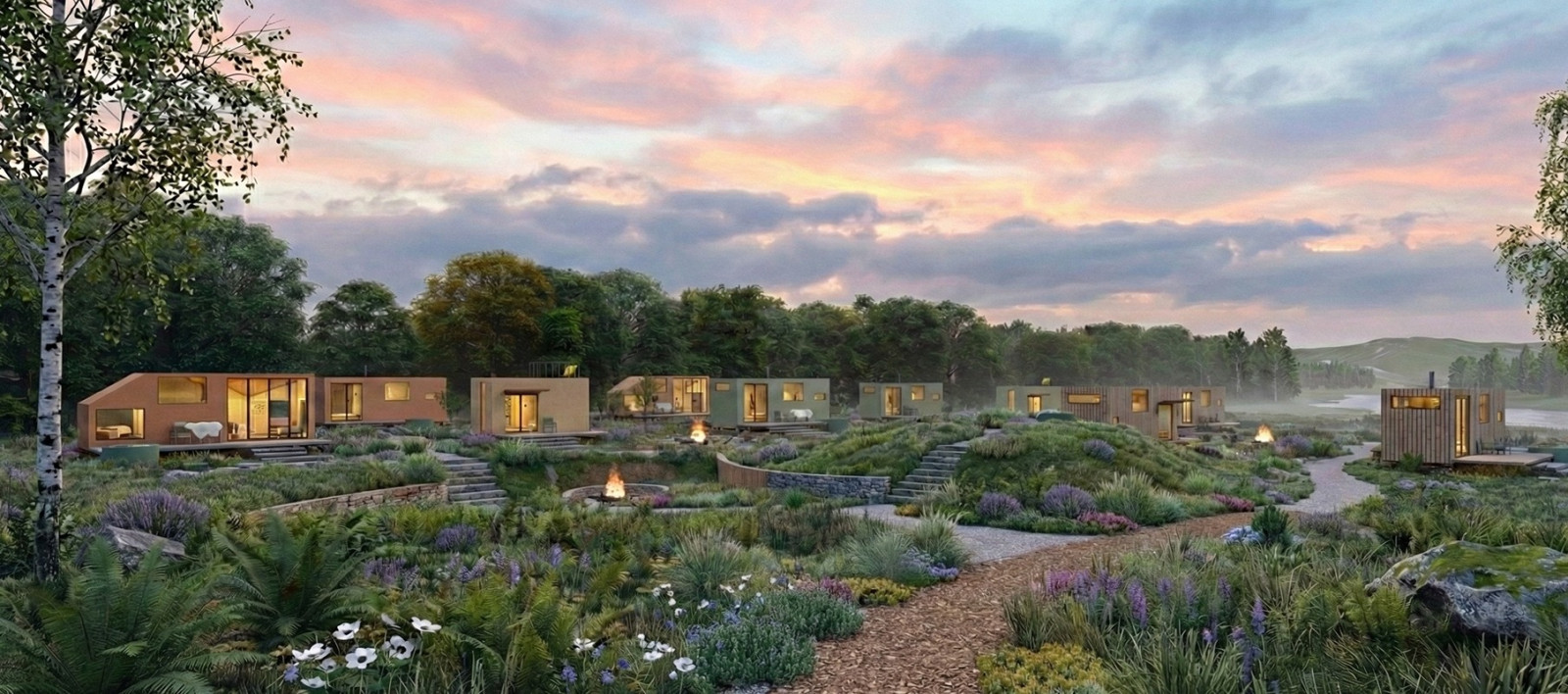
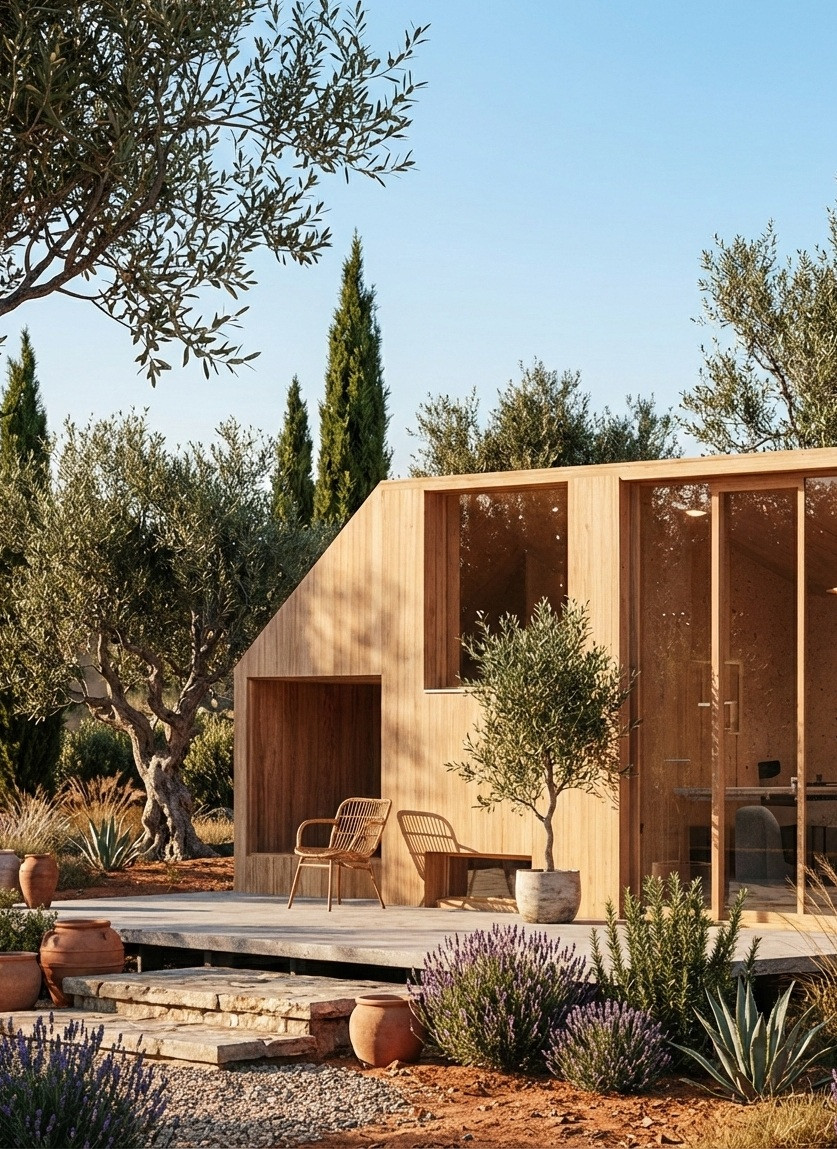
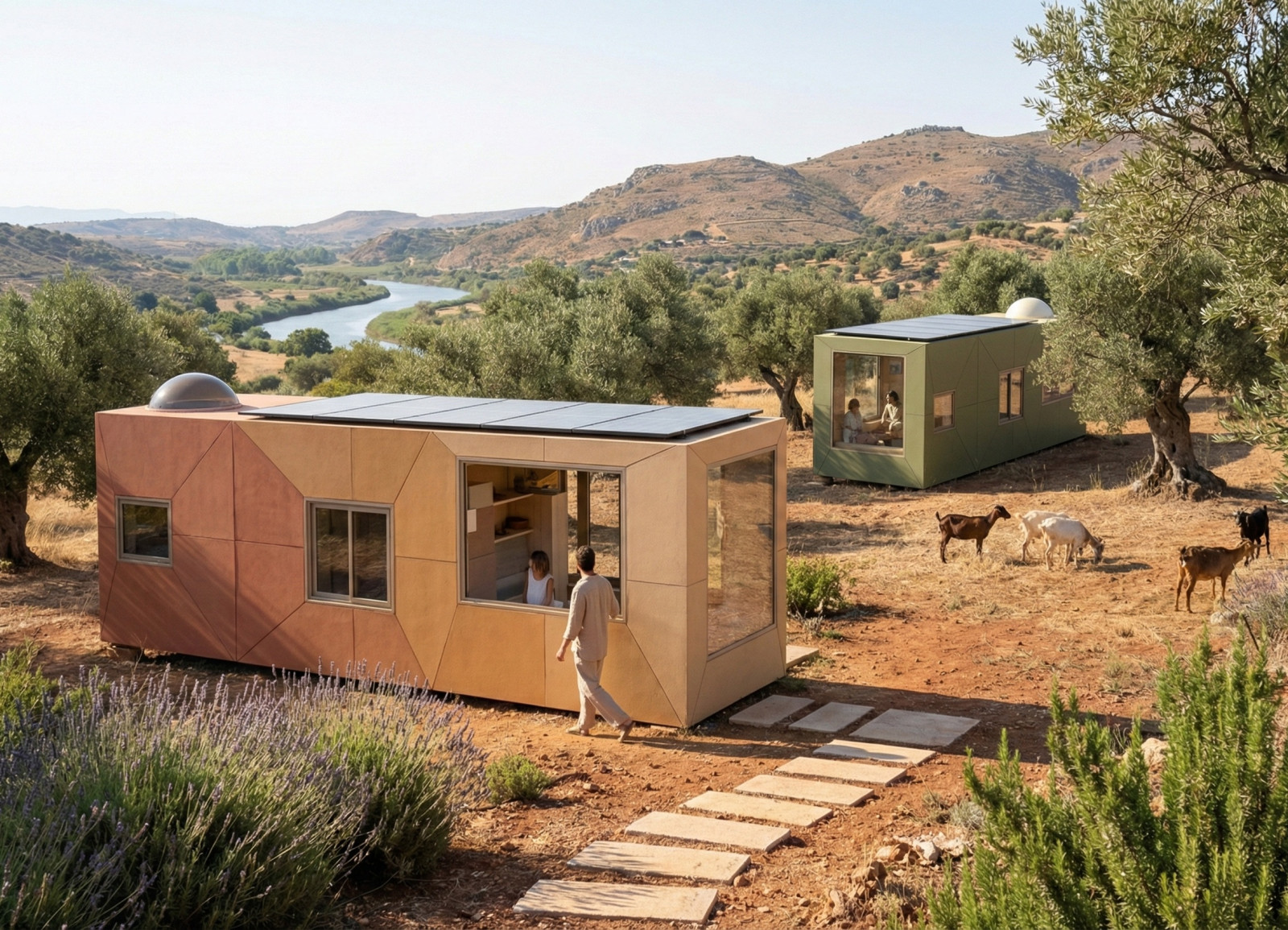
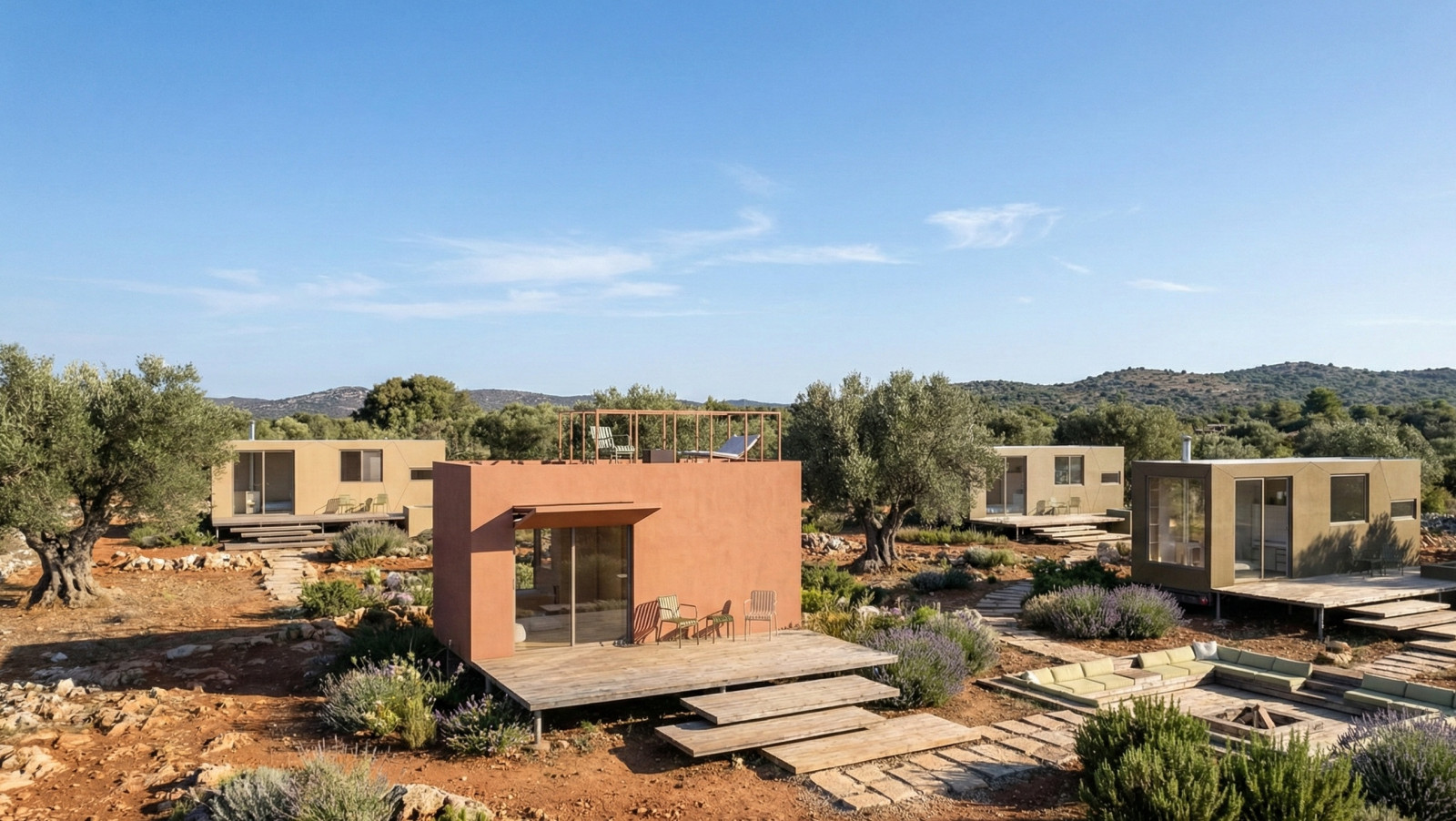
The Wild Gradient's window placement wasn't set to a standard layout — it responds to this kind of reading, oriented toward where light and calm actually converge rather than toward a generic "view." The Mind Trunk's angular facade is a response to a specific relationship with wind and light, not a styling choice made independent of site conditions. This is the difference between a floor plan applied to a lot and a design that starts from the lot.
If you're still choosing between pieces of land — for a personal retreat, a glamping site, or a retreat property — the read-the-site process comes before the read-the-catalog process. A flatter, cheaper lot with poor orientation and bad drainage can cost more in the long run, in comfort and in site work, than a more expensive lot that's already telling you where to build.
How do I figure out the best spot to build a cabin on my land? Start with where the sun falls at the hours you'll actually use the space, which direction water moves after rain, and what's already growing successfully — these three factors usually reveal one clear building location before you ever think about the view.
Does the direction a cabin faces really matter that much?
Yes. The same floor plan can feel completely different depending on orientation — a west-facing opening that's beautiful in fall light can be unusable heat in summer, while the same layout facing east can feel calm and usable most of the year.
What's the biggest siting mistake people make on their own land?
Choosing a spot based purely on the most dramatic view, without checking how water moves through that spot after rain or what the prevailing wind does there. Both show up as problems after the structure is already built.
Do I need a landscape architect to site a cabin, or just an installer?
An installer can tell you whether a foundation will hold. A landscape architect reads the site's light, water, and wind patterns before the design is drawn — which is a different, earlier question, and one that shapes how the cabin performs once it's built, not just whether it stands.
If you're evaluating a piece of land or trying to figure out where a cabin actually belongs on the site you already own, we read sites this way before we design anything.